What Is Dual Diagnosis and How Common Is It?
Dual diagnosis refers to the simultaneous presence of a substance use disorder and a co-occurring mental health condition. Common combinations include:
- Depression and alcohol use disorder
- Anxiety disorder and benzodiazepine dependence
- PTSD and opioid use disorder
- Bipolar disorder and stimulant use disorder
- ADHD and multiple substance use disorders
- Schizophrenia and alcohol use disorder
These combinations are not coincidental. Mental health conditions and substance use disorders are deeply intertwined. Many people begin using alcohol or drugs as a way to manage the symptoms of an undiagnosed or undertreated mental health condition — what clinicians call self-medication.
Over time the substance use creates its own disorder layered on top of the original mental health condition. By the time someone enters a recovery house they are often dealing with two serious conditions at once — and treating only one without the other is one of the most common reasons people relapse.
"Treating addiction without addressing mental health is like bailing water from a boat without plugging the hole. You have to address both to stay afloat."
Can a Standard Sober Living House Handle Mental Health?
The honest answer is: it depends — and you need to ask the right questions before choosing a home.
Standard sober living homes provide structure peer community and 12-step programming. For people whose primary challenge is substance use disorder without significant co-occurring mental health conditions this is often exactly what they need.
However for individuals with active mental health conditions that require medication management psychiatric monitoring therapy integration or crisis support — a standard sober living home may not be sufficient and could in some cases be the wrong placement entirely.
The warning signs that a recovery house may not be equipped for dual diagnosis:
- No requirement or support for residents to maintain psychiatric care while in the home
- Staff with no training in mental health conditions or crisis response
- No relationship with local outpatient mental health providers or psychiatrists
- House rules that punish mental health symptoms rather than addressing them
- No clear protocol for mental health crises among residents
- One size fits all programming with no accommodation for mental health needs
If you are placing a loved one with a dual diagnosis condition into a recovery house in Chester County recovery houses or Philadelphia — ask specifically about each of these areas before making a decision.
What Dual Diagnosis Supportive Housing Actually Looks Like
True mental health supportive housing for people in recovery looks different from a standard sober living home in several important ways.
-
Psychiatric Care Integration
Residents are supported in maintaining relationships with psychiatrists and prescribers. Medication management is treated as part of recovery not in conflict with it.
-
Trauma Informed Approach
Staff are trained to understand how trauma drives both mental health conditions and substance use disorder. Responses to resident behavior are informed by this understanding rather than purely punitive.
-
Therapeutic Programming
Access to individual therapy group therapy and evidence based mental health programming alongside standard recovery house programming.
-
Crisis Response Protocol
Clear written protocols for mental health crises among residents. Staff trained in de-escalation and crisis response. Relationships with local crisis services.
-
Flexibility in Structure
Recognition that mental health conditions may affect a resident's ability to meet every standard expectation and willingness to work with clinical guidance on accommodations.
-
Peer Support With Context
Community of peers who understand the intersection of mental health and addiction rather than a community that stigmatizes mental health conditions.
Warriors Way — Mental Health Supportive Housing in Chester Springs PA
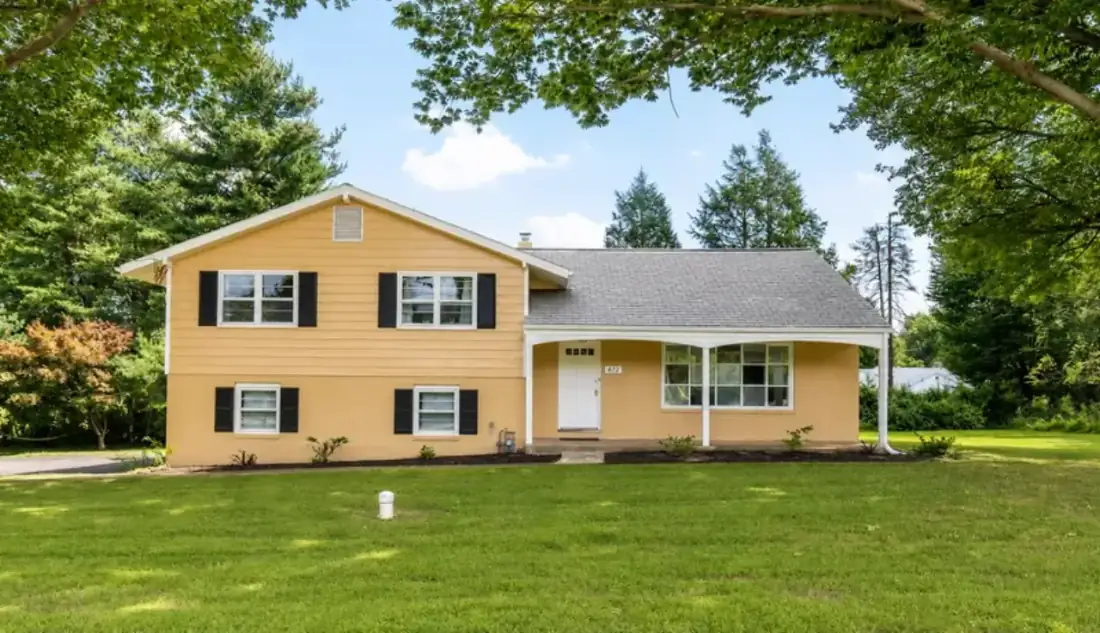
Phoenix Recovery Project operates Warriors Way — a specialized mental health supportive housing program located on Kimberton Road in Chester Springs Pennsylvania.
Warriors Way was developed specifically to serve individuals navigating the intersection of mental health conditions and substance use disorder. It is not a standard sober living home — it is a purpose-built dual diagnosis supportive housing program for people who need more than standard sober living can provide.
Warriors Way serves residents who are:
- Managing a diagnosed mental health condition alongside substance use disorder
- Transitioning from a dual diagnosis inpatient or residential program
- Stable enough for community living but requiring more support than standard sober living provides
- Connected to or willing to connect to outpatient psychiatric care and therapy
- Committed to their recovery and their mental health treatment simultaneously
Located in Chester Springs in Chester County Pennsylvania Warriors Way is set in a peaceful residential environment that provides the calm structure essential for individuals managing complex mental health and recovery needs. The home is accessible from across Chester County Philadelphia Delaware County Montgomery County and South Jersey.
"Recovery from dual diagnosis is absolutely possible. It requires the right environment the right support and the right community. Warriors Way was built to provide all three."
How to Choose the Right Recovery House for Someone With a Mental Health Condition
If you are searching for a recovery house in Pennsylvania for someone with a co-occurring mental health condition use this checklist before making a decision:
- 1.Ask specifically whether the home accepts and supports residents with dual diagnosis conditions — not just whether they "handle" mental health
- 2.Ask how the home supports residents in maintaining psychiatric care and medication management while living there
- 3.Ask what staff training exists in mental health crisis response and trauma informed care
- 4.Ask whether the home has relationships with local outpatient mental health providers and psychiatrists
- 5.Ask for the specific protocol if a resident experiences a mental health crisis in the home
- 6.Ask whether the home is PARR or NARR certified — certification requires minimum standards of care that protect residents
- 7.Ask to speak with someone who can describe a typical day for a dual diagnosis resident in the home
Phoenix Recovery Project welcomes these questions — and we are PARR certified. Our admissions team can walk you through exactly how Warriors Way supports dual diagnosis residents and help you determine whether it is the right placement for your specific situation. We also operate Heroes House in Philadelphia and additional homes across the region — see all our homes.
Call 610-233-4342 to speak with our admissions team 24 hours a day, or email us.
Mental Health and Recovery Resources in Pennsylvania
If you or a loved one is struggling with co-occurring mental health and substance use disorders the following resources are available in Pennsylvania and the greater Philadelphia region:
SAMHSA National Helpline
1-800-662-4357
Free confidential 24/7
Treatment referral and information service
NAMI Pennsylvania
National Alliance on Mental Illness Pennsylvania chapter
namipa.org
610-458-5700
Chester County Crisis Line
610-280-3270
Available 24 hours a day
Philadelphia Crisis Line
215-685-6440
Available 24 hours a day
Warriors Way — Phoenix Recovery Project
Chester Springs PA
Mental health supportive housing for dual diagnosis
610-233-4342
Available 24 hours a day
Share this with a family member searching for dual diagnosis recovery housing in Pennsylvania.